
CHETA MAGAZINE
Desiderio Sopra la Legge
Starting from a common investigation on belongingness, nine teams were challenged to explore and relate this topic to eight different subjects: human rights, welfare, environmentalism, health, politics, identity, economy and education. Cheta is about Human rights, specifically,women’s rights.
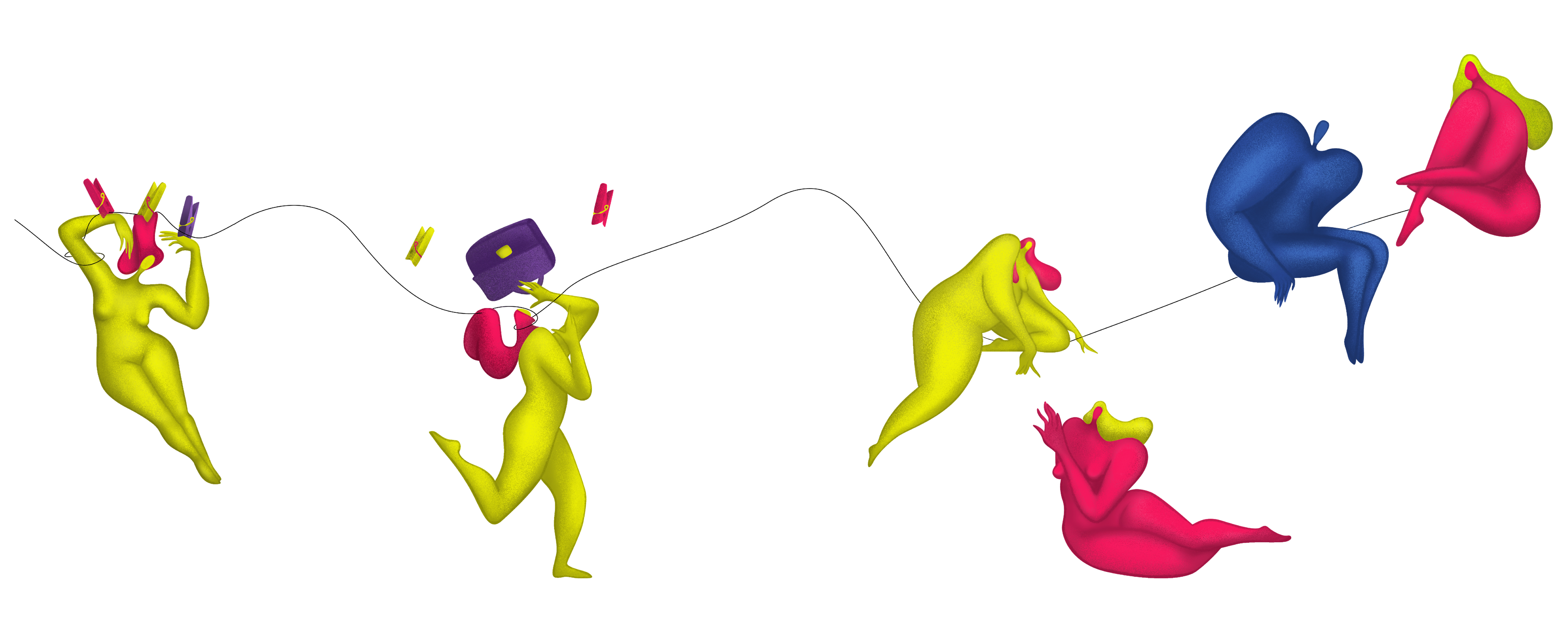
Cheta is an indipendentistica magazine that through the politics of desire proposes
a new way of building the right to exist with ease. It does not move in relation to what
the legislation desires for people, but it raises its voice above the law, bringing to life
the tools and places of the past that subverted the social order: through Chet(a)rchive
you can listen to interviews and discover the contents of those common people
that questioned the state of things, to make their voices heard.
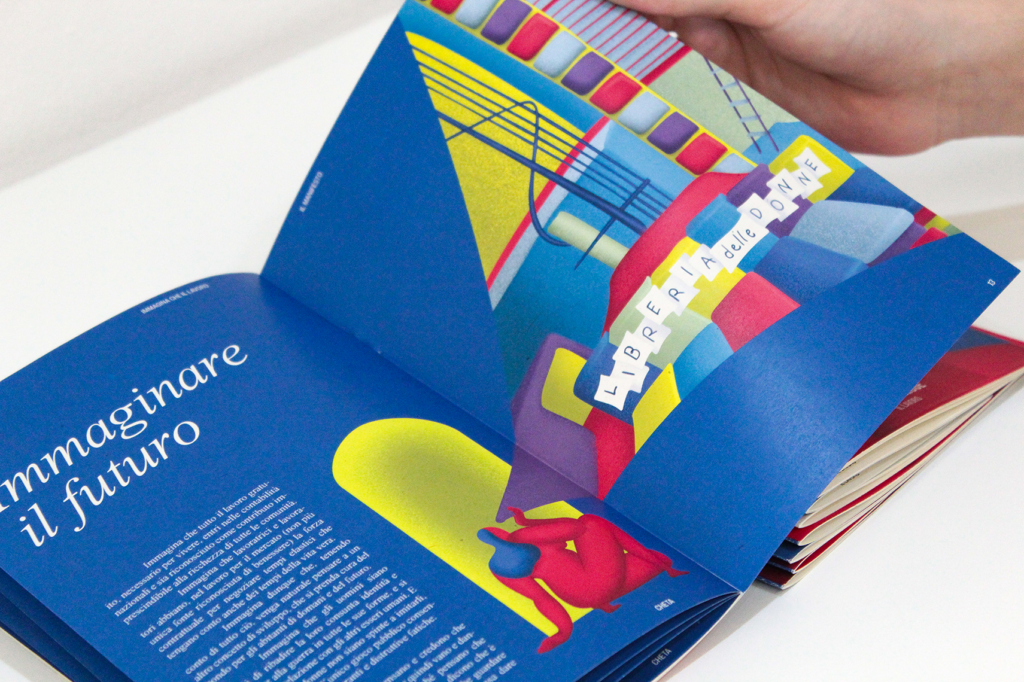
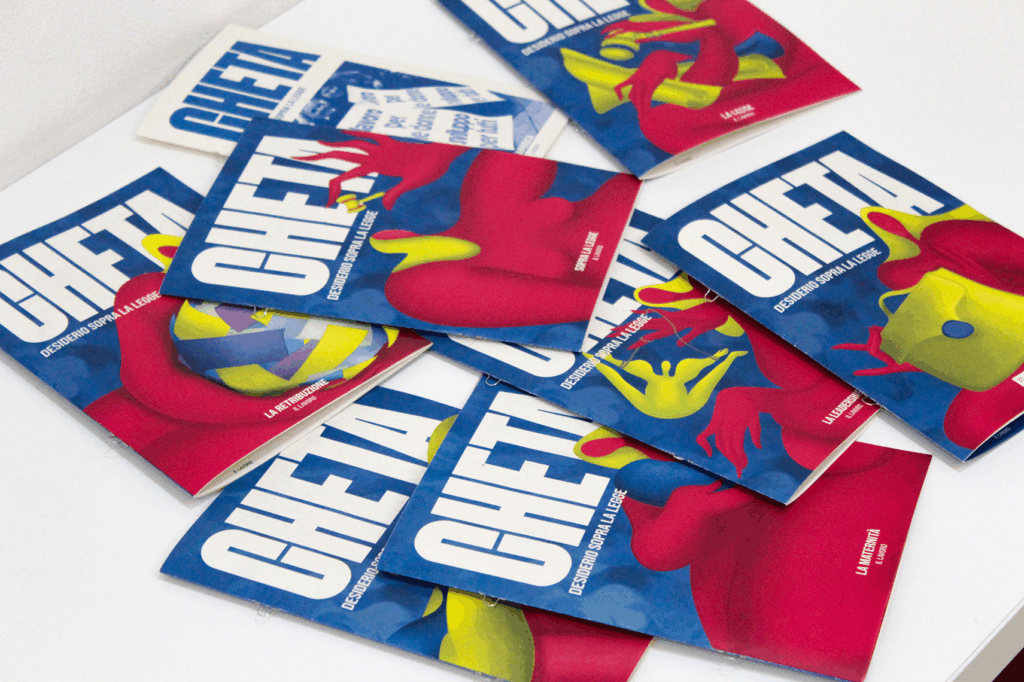
The magazine is divided into 8 issues, each of which deals with
one of those areas of natural social existence in which a guaranteed right turns into a censorship on one’s own possibilities of action.
The fact of dividing such an important topic into thematic files makes it easier
to read and manage the contents; moreover, in this way, dossiers can be
shared, disseminated, and at best generate debates that can bear fruit over time.
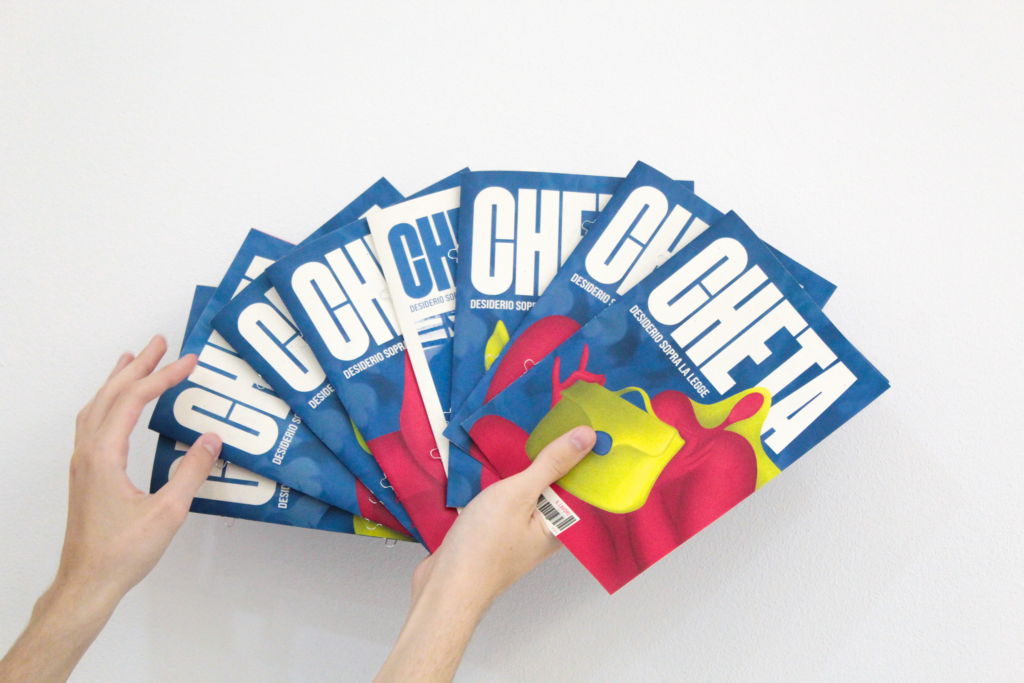
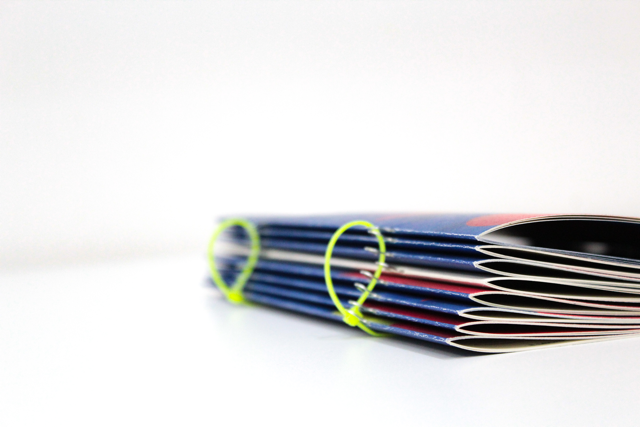
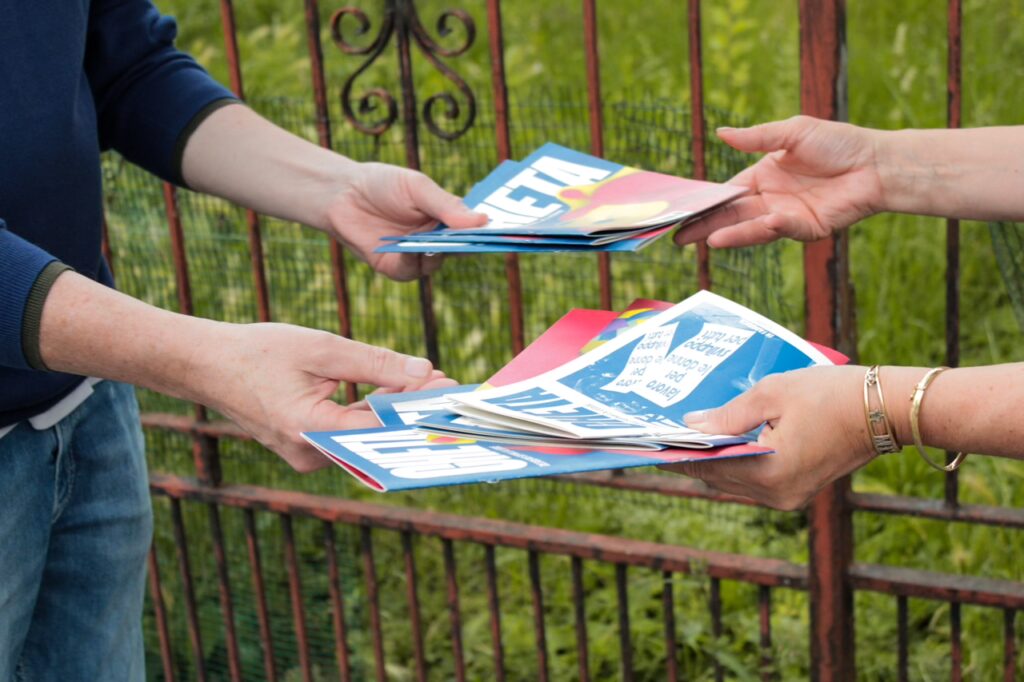
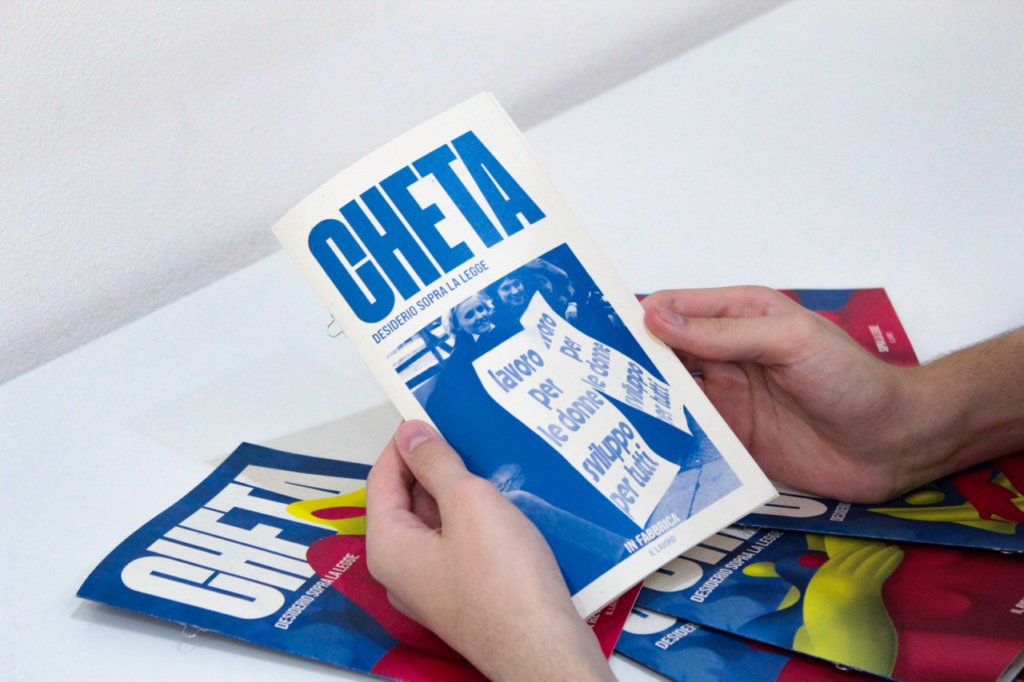
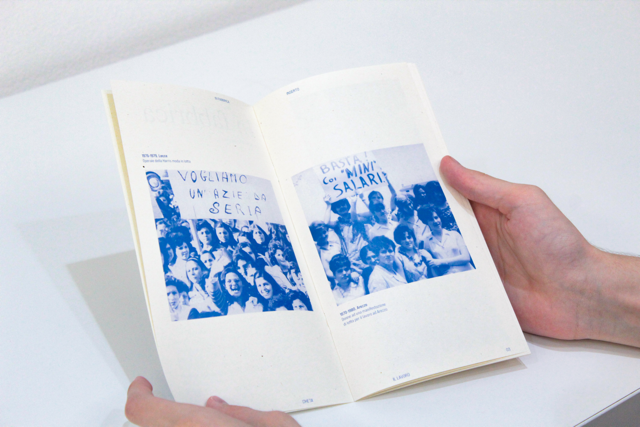
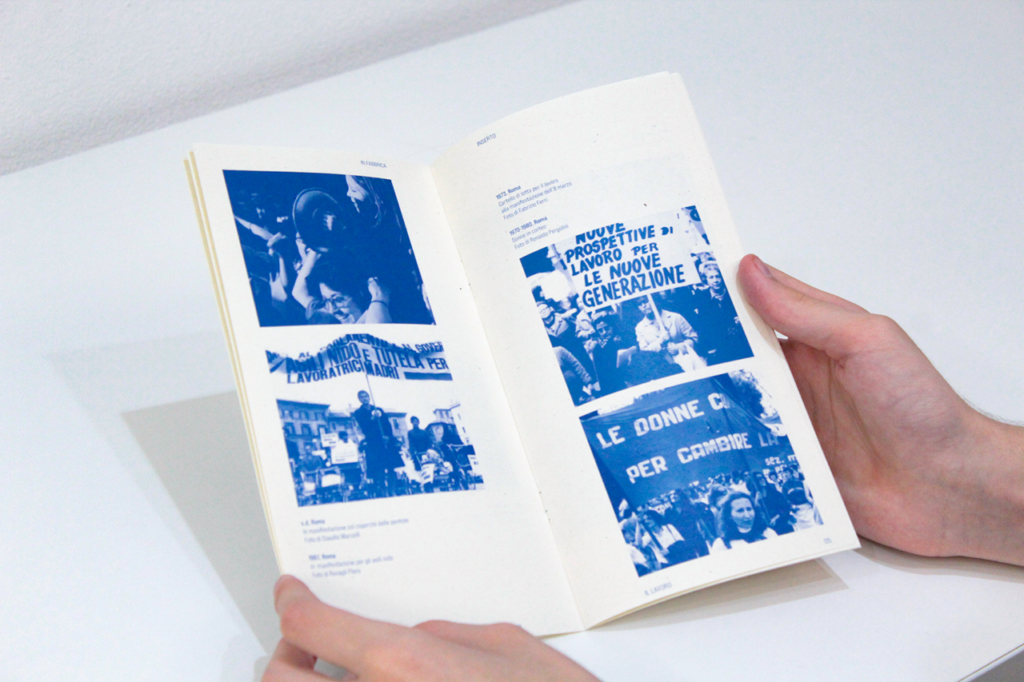
Chet(a)rchive collects textual and photographic content and testimonies related to places where women
have taken a definite stand and physically fought, protesting to obtain the rights that were denied to them.
In this first issue dedicated to the theme of work, the supplement addresses the topic of the factory,
the stage of protests carried out during the 1970s to highlight the urgency of women’s rights in the workplace.
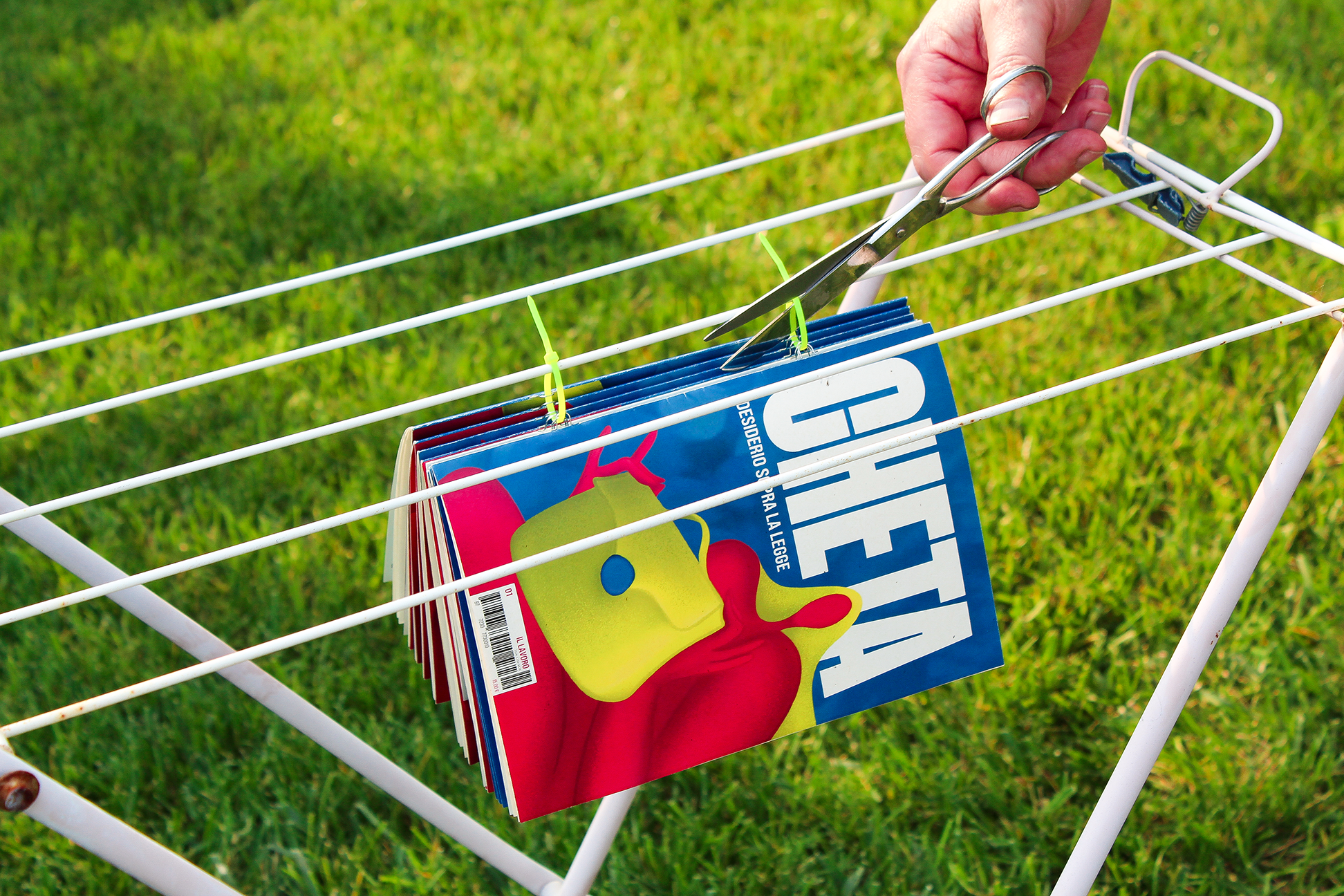
The magazine built its advertising campaign around a provocative tone, relying on a visual language that is immediately accessible and easily understood by a wide audience.
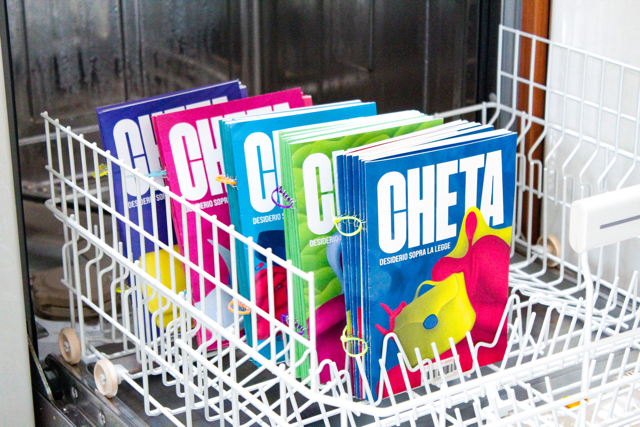
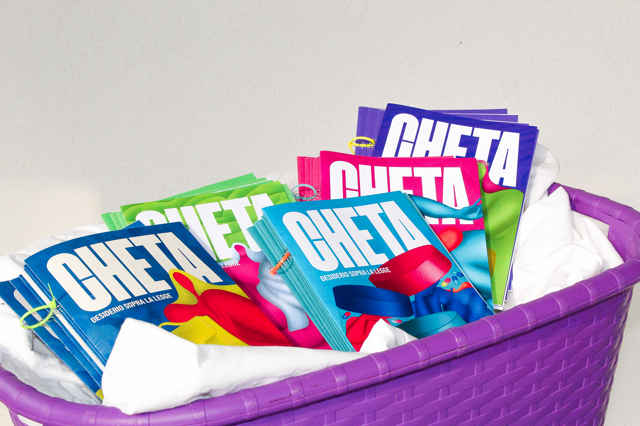
The editorial project consists of five issues, each addressing a thematic area
where women’s rights are often denied: work, health, education, security, and representation.
These issues were then placed in locations stereotypically associated with housework
traditionally assigned to women. In this way, the campaign figuratively—
but also directly—denounces the social expectation that women should fulfill this role.
Year: 2022-2023
Laboratory: Design of Artifacts and Complex Systems
Team project: Allievi Maira, Bisconti Giovanna, Fulghieri Giorgia, Patti Lavinia